NYC’s Rising Korean Food Scene: Beyond K-BBQ
For years, Korean food in NYC was synonymous with the bustling, all-you-can-eat K-BBQ joints in Koreatown. While those are still a fantastic experience, the city’s Korean food scene has exploded with a new wave of restaurants showcasing the depth, nuance, and regional diversity of Korean cuisine. From fine dining tasting menus to modern interpretations of home-style cooking, there’s never been a better time to explore Korean food in NYC.
The Fine Dining Revolution: Atomix & Jungsik
At the highest end, restaurants like Atomix and Jungsik have earned multiple Michelin stars for their innovative, multi-course tasting menus. These spots treat Korean ingredients and techniques with the reverence of fine art, creating an unforgettable (and very expensive) dining experience. They have been instrumental in elevating the global perception of Korean cuisine.
Modern Korean Gastropubs: Jua & Oiji Mi
A growing category is the modern Korean gastropub, where inventive dishes are served alongside creative, soju-based cocktails in a chic setting. Jua, a Michelin-starred spot in the Flatiron district, is known for its elegant wood-fired cooking. Oiji Mi in Chelsea offers a sophisticated prix-fixe menu that beautifully reinterprets traditional Korean flavors. These are perfect for a special date night.
The Art of Tofu: BCD Tofu House
A 24/7 staple in Koreatown, BCD Tofu House specializes in “soondubu jjigae,” a bubbling, spicy soft tofu stew. It’s a perfect example of a restaurant dedicated to perfecting a single category of Korean home-style cooking. It’s comforting, delicious, and a go-to for late-night eats.
Noodles and Hand-Pulled Dough: LittleMad
In Greenwich Village, LittleMad offers a fun and energetic take on Korean-American food. While the menu is full of creative hits, their focus on noodle and dough dishes, like their signature “sujebi” (hand-pulled dough soup), showcases a different side of Korean comfort food beyond rice and BBQ.
The Future is Fermentation
Many of these new Korean restaurants are also at the forefront of the fermentation trend. They are showcasing the incredible complexity of house-made kimchi, gochujang (chili paste), and doenjang (soybean paste), proving that these fermented staples are the foundation of deep flavor in Korean cooking.
Where to Find Authentic Korean Food: Neighborhoods & Districts
While Koreatown (centered around 32nd Street between 5th and 6th Avenues) remains the heart of Korean dining in NYC, the community has expanded significantly. You’ll find exceptional Korean restaurants scattered throughout Manhattan, Brooklyn, and Queens—each bringing their own regional specialties and interpretations to the table.
Koreatown proper remains the most concentrated hub, featuring everything from traditional pojangmacha (street pojang tents) vibes to sleek modern dining. If you’re new to the area, expect narrow storefronts, neon signs, and restaurants stacked floor after floor in the same buildings. Pro tip: Head to Koreatown after 10 PM on weekends for the real party scene—these restaurants get busier and more vibrant as the night goes on.
Flushing, Queens has become an emerging hotspot for Korean cuisine, particularly for regional Korean dishes and newer concept restaurants. The neighborhood offers a more relaxed, less touristy atmosphere than Manhattan’s Koreatown, with excellent prices and family-run spots that have been perfecting their craft for generations. Many Michelin Guide inspectors have been spotted here, and several restaurants are gaining serious recognition.
Brooklyn neighborhoods like Sunset Park and Williamsburg have seen a surge of Korean restaurants catering to younger, trendier crowds. These areas are perfect if you’re looking for a more casual, Instagram-friendly dining experience without the intensity of Koreatown.
Understanding Korean Dining Culture: What to Expect
Korean dining culture is communal, interactive, and steeped in tradition. Understanding some basics will help you feel more comfortable and get the most out of your experience.
The banchan tradition is central to Korean dining. When you order a main dish, you’ll automatically receive several small side dishes (banchan) at no extra cost. These might include kimchi, seasoned vegetables, pickled radish, and anchovies. These aren’t just garnish—they’re integral to the meal. Refills are typically free, so don’t hesitate to ask.
Shared eating is the norm. Korean cuisine is designed for sharing and communal dining. Don’t be surprised if dishes come out on large platters meant for the whole table. This is intentional—it encourages conversation and connection.
Spice levels vary widely. Korean food has a reputation for heat, but this isn’t universal. Soups, grilled items, and many traditional dishes can be mild or savory. Always ask your server about spice levels, and don’t assume everything will be fiery.
Timing matters. Many Korean restaurants don’t take reservations, and popular spots can have 45-minute waits during peak hours (dinner Fridays and Saturdays). Lunch is often less crowded and offers great value. Some restaurants also offer drink specials during happy hour—typically 5-7 PM with heavily discounted soju and beer.
Beyond the Classics: Regional Korean Cuisine
Korea’s distinct regions each have their own culinary traditions, and NYC’s Korean restaurant scene is increasingly highlighting these regional differences. Understanding regional specialties will deepen your appreciation for Korean food.
Jeolla Province cuisine
You might also like
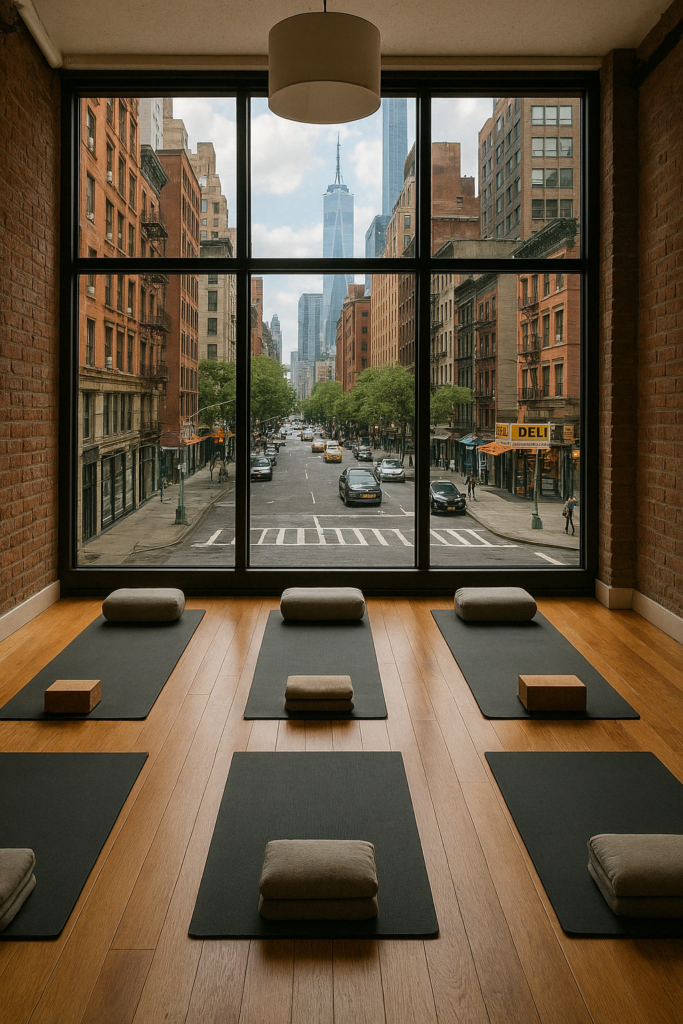
Wellness in the City: Finding Relaxation in Manhattan’s Bustle
Wellness in the City: Finding Relaxation in Manhattan’s Bustle — 2026 update from helpnewyork.

Brooklyn Hotels: Boutique & Airbnb Stays
Brooklyn Hotels: Boutique & Airbnb Stays — 2026 update from helpnewyork.