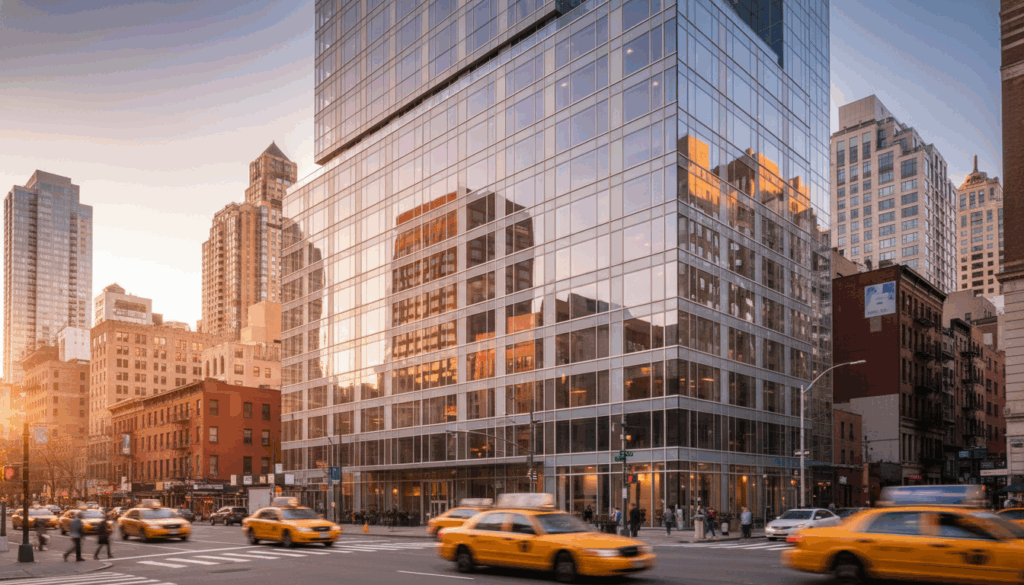
In the heart of New York City, where concrete jungles dominate the skyline, a quiet revolution is growing—literally. Rooftop gardens and urban farms are transforming buildings into lush green spaces that offer fresh produce, environmental benefits, and community engagement. These elevated oases show how cities can embrace agriculture in the most unexpected places, providing both inspiration and practical models for sustainable living. Let’s explore some of the most impressive green rooftops and community farming spaces across NYC.
Iconic Rooftop Gardens
Brooklyn Grange (Navy Yard, Brooklyn)
Brooklyn Grange is one of the largest rooftop soil farms in the world, spanning over 65,000 square feet atop the Brooklyn Navy Yard. Since 2010, it has produced over 80,000 pounds of organically-grown vegetables annually, using sustainable farming practices. Not only a farm, it also serves as a hub for educational programs, wellness events, and weddings, all with sweeping views of Manhattan. Brooklyn Grange exemplifies how agriculture and urban life can thrive together, offering city dwellers a chance to reconnect with nature and food systems in a tangible way. The site is open for tours and hosts seasonal events that attract garden enthusiasts and foodies alike.
Eagle Street Rooftop Farm (Greenpoint, Brooklyn)
Perched atop a warehouse in Greenpoint, Eagle Street Rooftop Farm offers a 6,000-square-foot green space that has become a beloved local fixture. Launched in 2009, it was one of the first rooftop farms in NYC, pioneering the urban agriculture movement. The farm grows a wide variety of vegetables and herbs and operates a farm stand during the warmer months. What sets Eagle Street apart is its community focus—it often invites volunteers to participate in planting, harvesting, and educational workshops. The farm also partners with local restaurants and schools, helping to weave agriculture into the city’s fabric in a meaningful and sustainable way.
Javits Center Green Roof (Hudson Yards, Manhattan)
Hidden atop one of NYC’s largest convention centers, the Javits Center Green Roof is a marvel of eco-engineering. Covering over 6.75 acres, it’s one of the largest green roofs in the United States. While not open to casual public visits, guided sustainability tours provide access to its lush fields of sedum, solar panels, and eco-habitats for birds and bees. The green roof helps reduce the building’s energy consumption and stormwater runoff, making it not just beautiful but functional. It’s an inspiring example of how even vast commercial buildings can contribute to the green movement, proving that sustainability and development can go hand in hand.
Community Urban Farms
Harlem Grown (Harlem, Manhattan)
Harlem Grown is a shining example of community resilience and empowerment through agriculture. Established in 2011 on an abandoned lot, it has grown into a thriving urban farm with multiple locations across Harlem, producing thousands of pounds of fruits and vegetables annually. But its mission goes beyond food. Harlem Grown focuses on youth development, offering mentorship, school partnerships, and hands-on farming experiences to local children. Its flagship location features vertical gardens, hydroponic systems, and composting stations. More than just a farm, Harlem Grown is a community anchor that addresses food justice, environmental education, and healthy living in one of NYC’s most vibrant neighborhoods.
Red Hook Farms (Red Hook, Brooklyn)
Operated by Red Hook Initiative, Red Hook Farms is a community-powered urban farm with deep roots in social justice and youth empowerment. Spanning two sites and producing over 25,000 pounds of produce annually, the project provides jobs and educational opportunities for local teens through a paid youth leadership program. Red Hook Farms sells its produce via affordable farm stands and local markets, directly addressing food insecurity in the neighborhood. The farm also hosts composting initiatives and environmental workshops to build a stronger, more sustainable local food system. Red Hook Farms shows how urban agriculture can be a tool for both personal growth and community transformation.
Get Involved: Volunteering & Tours
Many of NYC’s rooftop gardens and urban farms offer opportunities for individuals to get their hands dirty—or simply learn more. Brooklyn Grange, Eagle Street Farm, and Harlem Grown regularly host volunteer days during the growing season, where you can help with planting, harvesting, or maintenance. Educational tours are also available, often requiring advance registration and a small fee to support the farms’ operations. Whether you’re a local or visitor, joining a farm tour or volunteer session is a rewarding way to support urban agriculture while gaining inspiration for your own green space.
Starting Your Own Mini Garden
Not everyone has access to a rooftop, but anyone can start a balcony or windowsill garden with a little creativity. First, assess your available space and sunlight. Most herbs, leafy greens, and cherry tomatoes thrive in containers and need just 4–6 hours of sunlight daily. Choose lightweight pots with good drainage and use high-quality soil suited for container gardening.
For limited space, consider vertical planters or railing baskets. Herbs like basil, mint, and parsley are easy to grow and highly rewarding. If space allows, grow small vegetables such as lettuce, radishes, or peppers. Incorporate a watering schedule and use compost or organic fertilizer for healthy growth.
Joining local gardening groups or attending workshops can provide added support and knowledge. Even a few potted plants can bring joy, improve air quality, and offer a sense of connection to nature—all within the comfort of your own apartment. Your mini garden can be both a sanctuary and a statement of sustainable living.
Conclusion
Urban farming in New York City is more than a trend—it’s a movement rooted in sustainability, community, and innovation. From sweeping rooftop farms to grassroots community plots, these spaces remind us that even in the densest of cities, nature can find a way to flourish one rooftop at a time.
Frequently Asked Questions
Do I need permission to visit rooftop gardens?
Yes, most rooftop gardens require permission or advance registration to visit. Some offer scheduled tours or public days where access is granted with a ticket or RSVP.
Are there any fees to participate in tours or volunteer events?
Fees vary. Many volunteer events are free, while educational tours may cost $10–$20 to support the farm’s operations and staff time. Always check the site’s official website for current details.
Can I visit these gardens year-round?
Most rooftop farms and gardens operate seasonally, typically from April to October. Some indoor or hydroponic spaces may offer limited access during the winter months, but availability is often reduced.
Explore these elevated green havens, and let them inspire your own urban gardening journey—one plant, one community, and one rooftop at a time.